

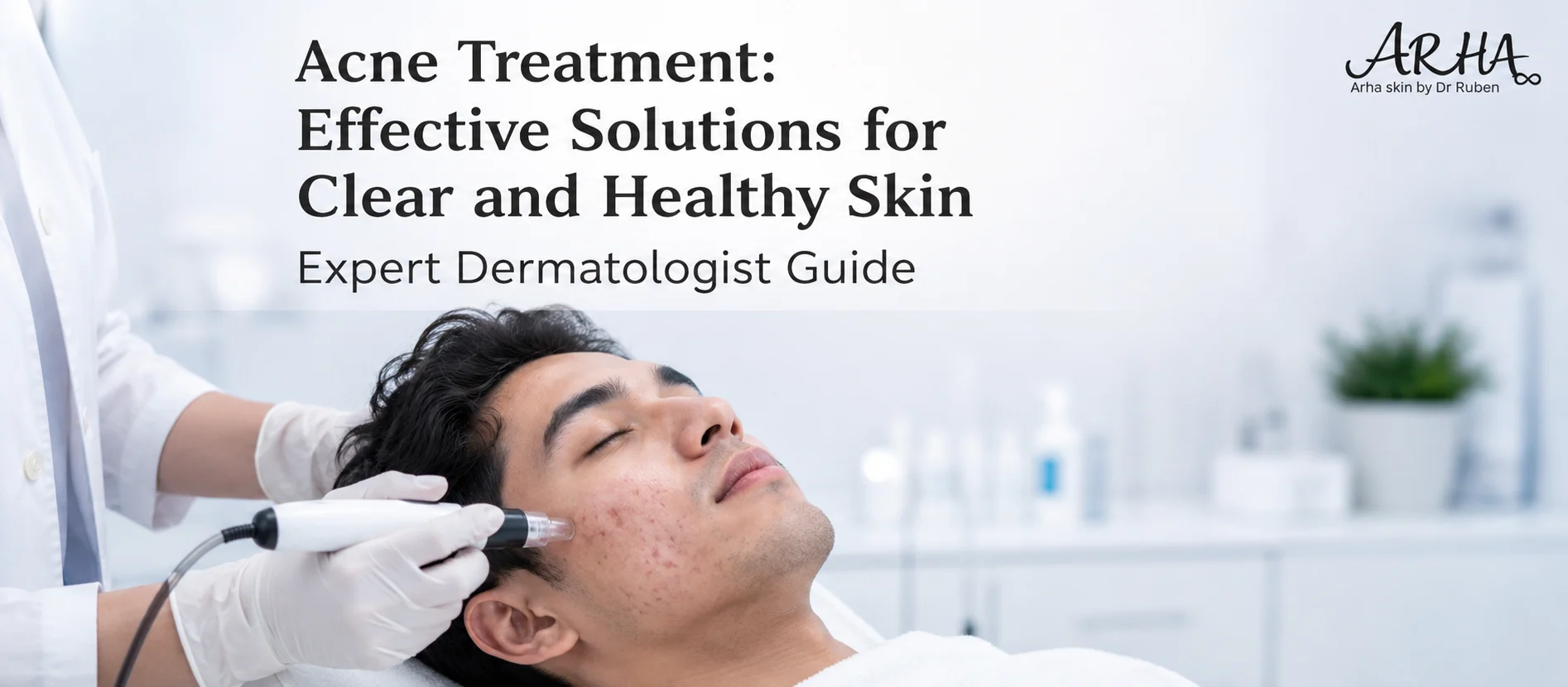
Acne is among the most frequent skin problems that affects teenagers and adults alike. While pimples are an everyday part of life, chronic acne may cause pain, discomfort, as well as permanent marks if it is not treated. The advantage of modern dermatology is the capability of providing a wide range of acne treatments that address the cause of acne. The treatments assist in restoring the health and cleanliness of your skin.
The most effective method of treatment is determined based on the degree of acne, the type of skin, and the cause that prompted this. The treatment that is initiated early can be efficient in reducing acne that is active and irritating. It also decreases the likelihood of scars and hyperpigmentation, which can last for a prolonged duration.
What Causes Acne?
Acne is a signal that hair follicles have been unable to be accessed due to excessive oil, dead skin cells, and the presence of bacteria. A lot of factors could either cause or aggravate the already existing acne. Many causes could cause acne to become more severe, such as:
- Factors causing increased sebum production
- Hormonal changes
- Using wrong products
- Diet rich in sugar, simple carbohydrates and oily foods
- Stress
- Certain medicines
- Genetics
- Skin-blocking cosmetics block pore
A hunt for the source of your acne may assist a dermatologist in suggesting the most effective approach to treat the problem.
Also Read: 2026 Acne Treatment : Advanced Medical Dermatological Solutions
Types of Acne
Acne can appear in different forms, including:
- Comedones
- Papules with/without pustules
- Nodulocystic acne
- Scars
Moderately sensitive to treatment using cosmetic products.. However, mild to severe acne generally requires a consultation with a doctor.
Effective Acne Treatment Options
Topical Medications
For minor skin conditions, dermatologists generally recommend gels or creams that contain some sort of medicated ingredients such as Benzoyl Peroxide and salicylic acid, as well as retinoids and azelaic acid. The products aid in cleansing pores and decrease the amount of microbes that reside within pores. They can also assist in decreasing irritation.
Oral Medications
Acne, which is severe or moderate, can require oral antibiotics, hormone treatments, as well as treatment with isotretinoin. These treatments can reduce inflammation, cut down on oil production, and treat issues with acne, making it easier to treat it from within. Because some oral medicines can result in negative adverse side effects or adverse side effects, they should be overseen by a physician.
Chemical Peels
Peels that contain chemical ingredients help to remove the dead cells of your skin. They help to eliminate the blockages and reduce lines and wrinkles that are caused by breakouts from acne. They also enhance the look of your skin and aid in the growth of your skin.
Laser and Light Therapy
Therapies that make use of lasers, as well as light, to combat acne-causing bacteria and reduce inflammation and the production of oil. They also assist in reducing the appearance of scars after acne and enhance your appearance.
Acne Scar Treatments
If acne is already creating marks, treatments such as laser rejuvenation, microneedling, chemical peels, and subcision can aid in improving the way your skin appears and lessen visible mark-making.
Daily Skincare for Acne-Prone Skin
The professional treatments can be amazing when combined with skin care treatments.
Cleanse Twice Daily
Utilize the power of a mild cleanser to cleanse your skin of oil or dirt without dry skin.
Choose Non-Comedogenic Products
Select skin care products as well as makeup products that’re not prone to cause comedogenic reactions because they don’t block pores.
Moisturize Regularly
Even oily skin requires moisture. A mild moisturizer that’s not oily can help keep the skin’s barrier intact and prevent excessive dryness.
Apply Sunscreen
Everyday sunblock shields your skin from damage caused by UV radiation. It also helps prevent the darkening of acne marks.
Avoid Picking Pimples
Squeezing or rubbing acne may increase the likelihood of developing an infection, permanent marks, and discoloration.
Healthy Lifestyle Habits
The way of life can impact the severity.
This is essential to ensure you’re eating healthy, high-energy foods that are rich in vegetables and fruits.
It is important that you consume lots of water throughout the whole day.
Relieve stress by exercising regularly or using relaxation methods.
It is essential to get the proper length of time in order to increase health and regenerate the skin.
Make certain to wash your makeup brushes and pillows often to stop the growth of microbes.
While diet isn’t the primary cause of acne, following healthy habits can improve overall health and the appearance of your face.
When Should You See a Dermatologist?
Consult an experienced dermatologist
Acne may be very painful, and it can even be fatal.
Certain items on the store online aren’t working.
Breakouts create markings.
Acne may affect your confidence as well as your daily life.
If you’re susceptible to acne cysts that show up often.
An early diagnosis of problems can help prevent them and give quicker and more efficient results.
What Results Can You Expect?
The treatment for acne demands patience and persistence. The majority of treatments will improve between 6 and 12 weeks, depending on how you’re dealing with the issue. Follow the recommendations of your dermatologist, and stick to your routines for your face to get long-lasting outcomes.
Most patients experience fewer breakouts, smoother skin, as well as more supple skin. Improved skin texture after treatment.
Also Read: Acne Scars: Types, Causes, and Treatment Options
Conclusion
Acne is a problem of the skin that can be treated and managed with the right mixture of treatments provided by medical professionals and the method of treating facial acne. Treatments include both topical and oral, as well as chemical peels that are treated with lasers, as well as treatments for acne scars, which treat all aspects of acne. An appointment with a dermatologist prior to the beginning of treatment can stop the process of creating permanent scars and improve your skin’s appearance. If you’re suffering from chronic acne, consult an experienced dermatologist to find the most effective method to address skin problems efficiently and effectively.